I am a joint M.S. student in Computer Science at
ShanghaiTech University and the Institute of Automation, Chinese Academy of Sciences,
advised by
Weiming Hu,
Li Yang, and
Yan Xu.
My research focuses on learning generalizable visual representations for understanding
open and dynamic environments. Across my work, I have found that language consistently
provides semantic structure that strengthens grounding and generalization.
I am currently open to Ph.D. opportunities and industry positions. Please feel free
to contact me!
Research
Across these projects, two lessons have shaped how I approach research: (1) end-to-end
training often coordinates the full system more effectively than fine-tuning modules
in isolation; and (2) well-designed model priors provide crucial structure for learning
and generalization.
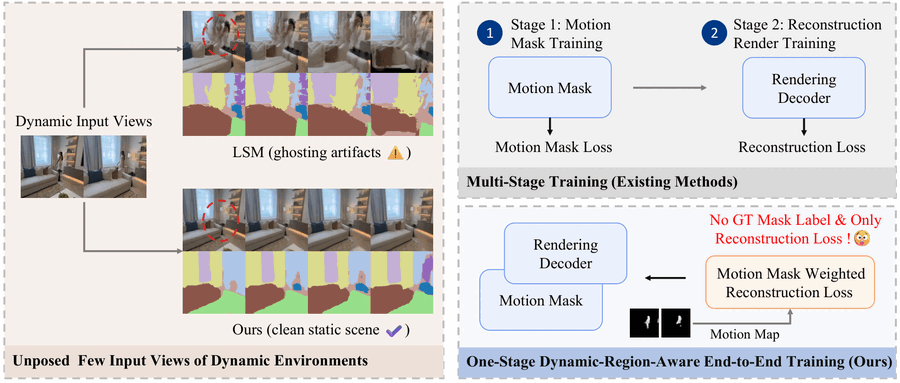
SPAR jointly reconstructs photometric and open-vocabulary semantic scene content
from sparse, unposed, and dynamic observations without explicit 3D supervision or
ground-truth motion masks.
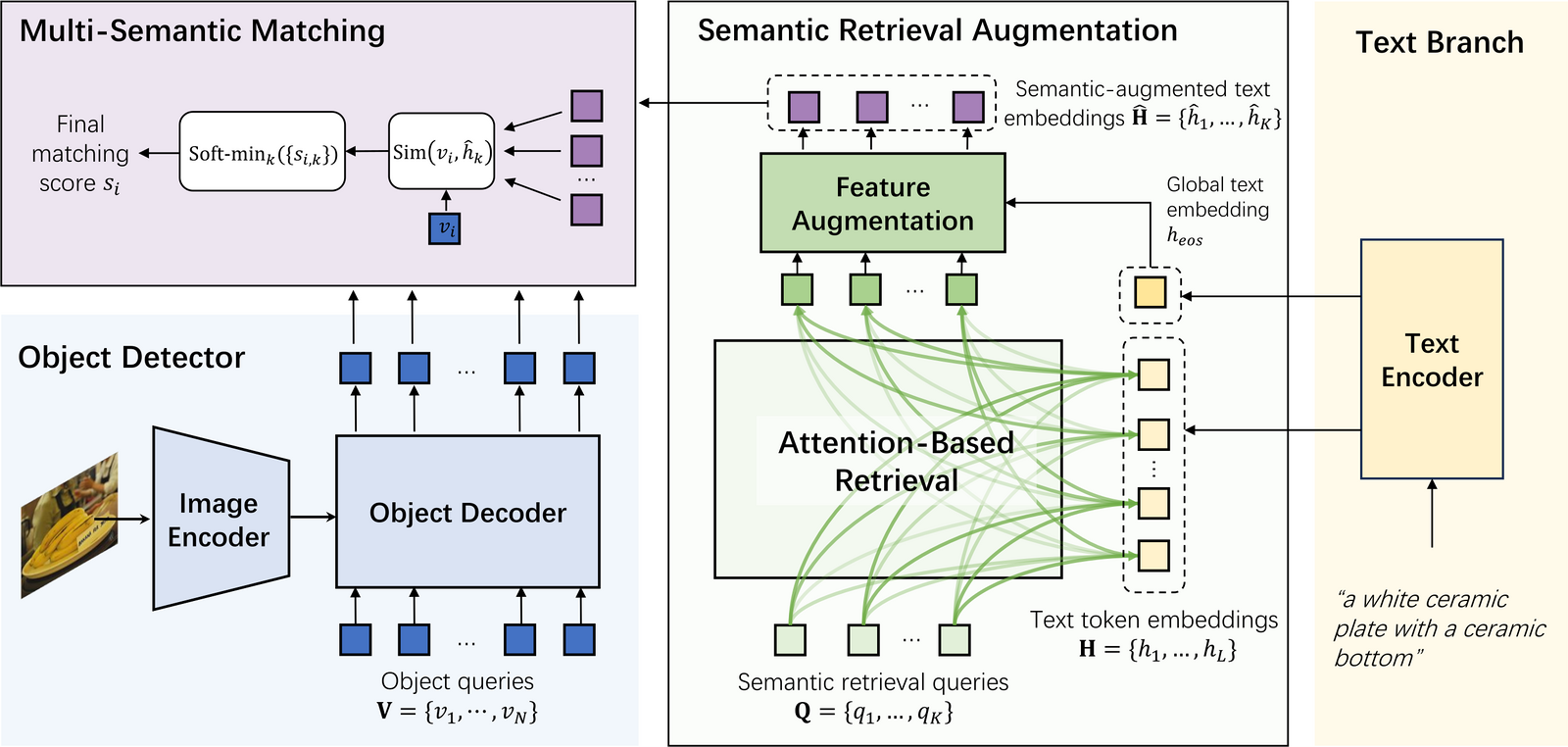
SRA-Det retrieves multiple semantic facets from token-level text features and uses
attribute-augmented data to improve fine-grained open-vocabulary detection.
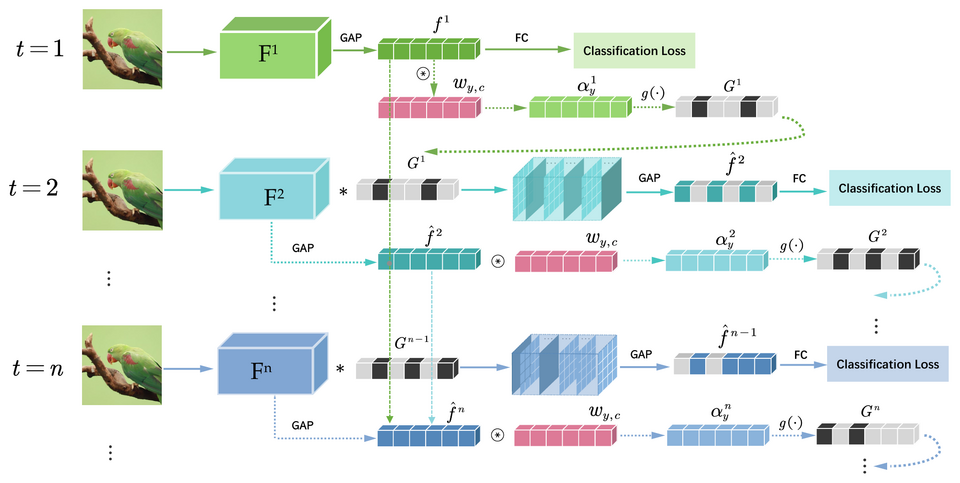
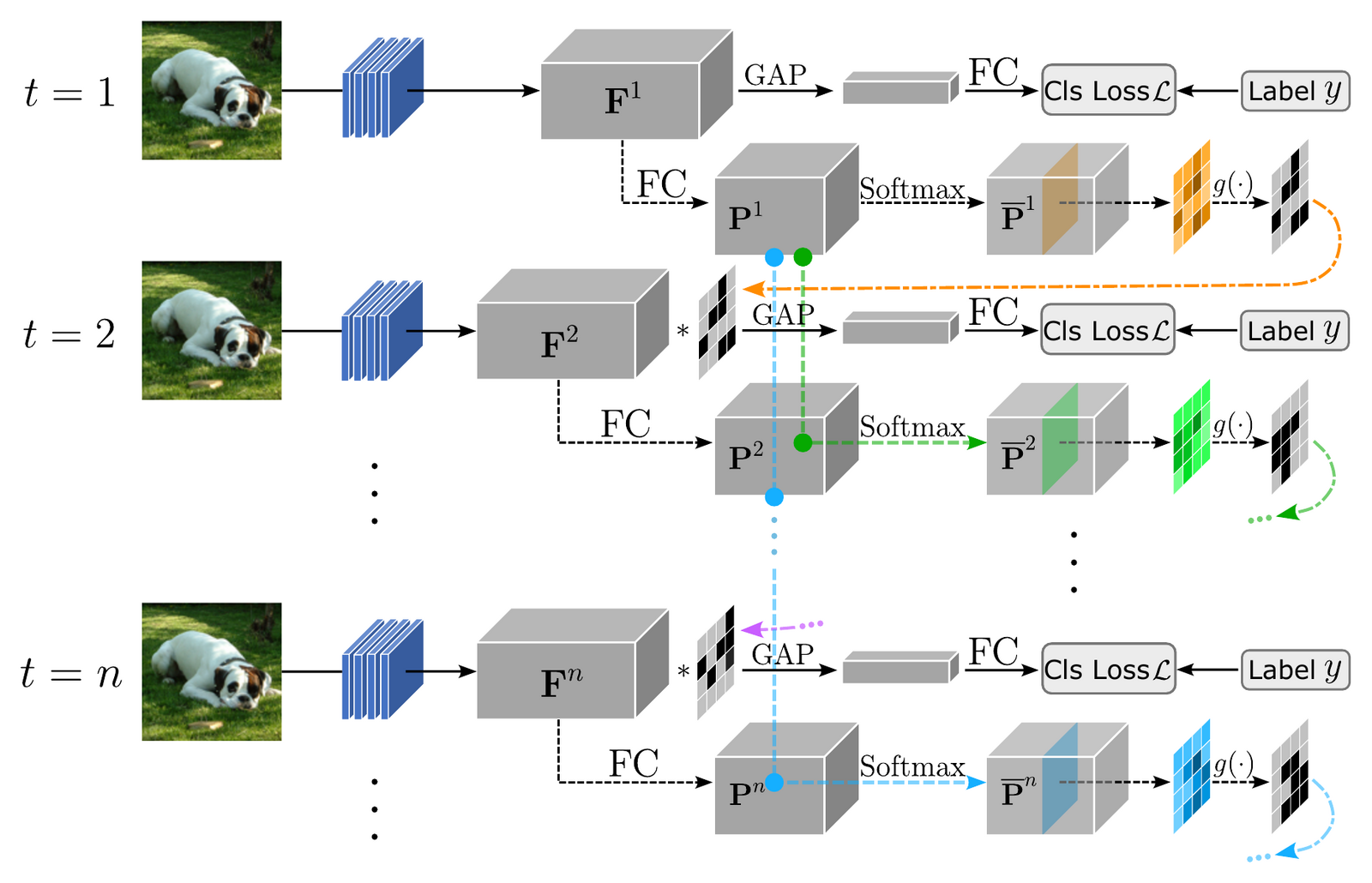
Temporal-Self-Erasing supervision dynamically suppresses previously activated
regions, encouraging complementary and more discriminative features over time.
Experience
CyboPal
–
Research Intern
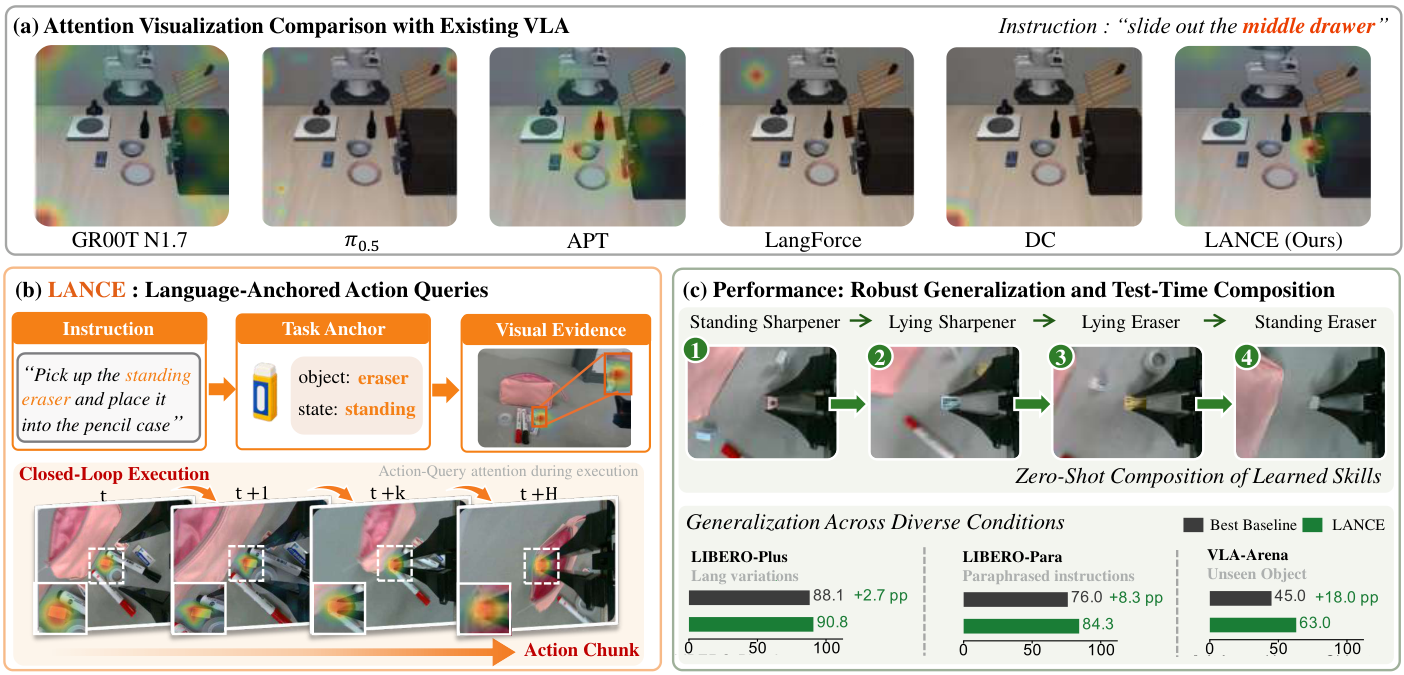
Studied instruction following and out-of-distribution generalization in vision-language-action (VLA) models, using language-anchored action queries to strengthen semantic grounding.
Built a dual-arm real-robot evaluation benchmark and supported robot-client testing and teleoperation data-collection pipelines.
Institute of Automation, Chinese Academy of Sciences (CASIA)
–
Research Intern
Conducted open-vocabulary detection research in a CASIA–Alibaba collaboration, including data construction, model development, and training.
Adapted models to MMDetection and explored hard-negative category sampling to improve open-vocabulary recognition.
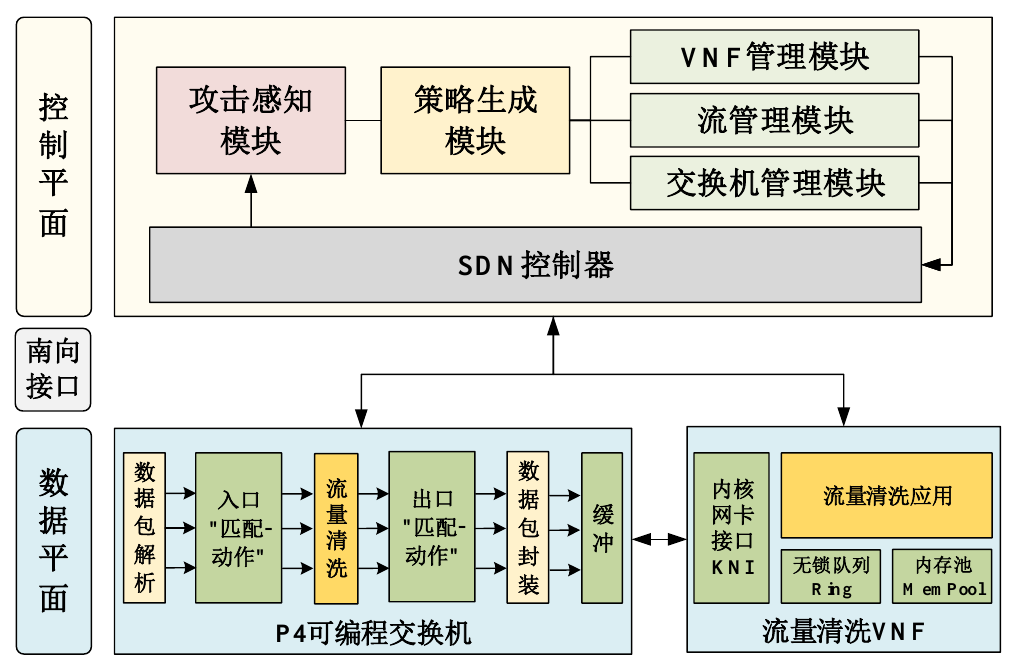
A dynamic traffic-scrubbing system combining P4-programmable switches with virtual
network functions. An SDN controller periodically updates scrubbing rules using
moving-target defense, with game-theoretic analysis guiding policy selection.
Implemented and evaluated with P4Runtime, BMv2, Mininet, and DPDK-based scrubbing functions.